Unlock Your Free Copy

Life After Retirement

How to Structure Your Day After Retirement

When work stops organizing the week, even freedom can feel surprisingly unstructured. A retirement routine can give your days shape without turning the next chapter into another full time job.

Ed Gaskey, author of Creating Your Next Chapter
Ed GaskeyAuthor of Creating Your Next Chapter
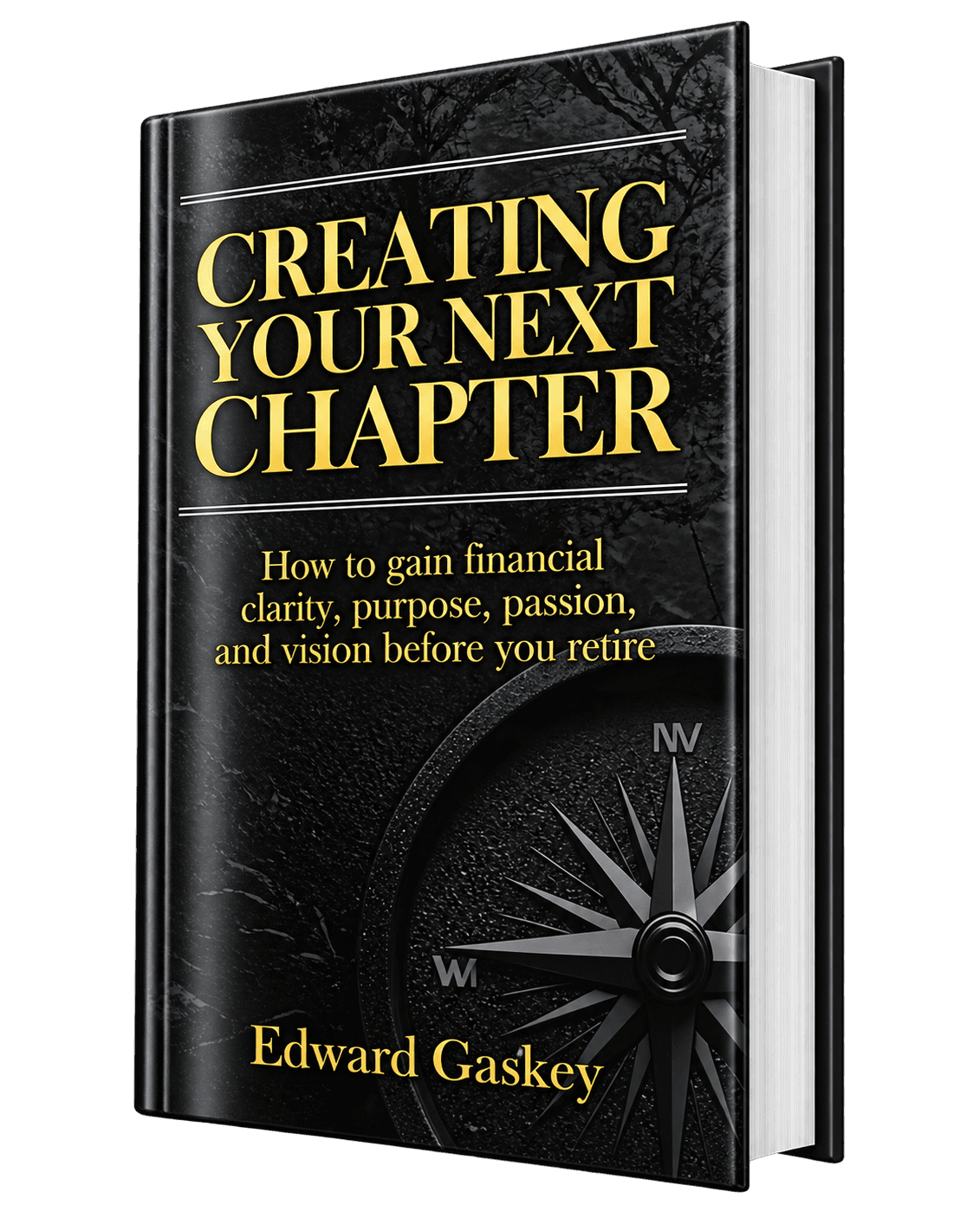
Creating Your Next Chapter by Ed Gaskey
Unlock Your Free Copy
Last updated
01

Your Retirement Routine

Build enough structure to support your freedom, then leave room to live it.

The goal is not to fill every hour. It is to create a week with enough connection, movement, purpose, curiosity, and responsibility that your freedom has some shape. Think in anchors, not a rigid timetable.

01

Start with anchors, not a packed schedule

Work may have organized most of your week for decades. Retirement gives that time back, but a completely open calendar can drift. A few recurring anchors can create rhythm without taking away the freedom you wanted.

02

Give people a real place in the week

Family, friends, a walking group, church, a club, volunteering, or a standing lunch can create connection and give certain days a reason to feel different from the others.

03

Keep something that asks something of you

A project, class, volunteer role, hobby, garden, consulting assignment, or fitness goal can create healthy challenge. The point is not to stay busy. It is to have something worth showing up for.

04

Protect open space on purpose

Retirement should still feel like retirement. Leave room for a slow morning, an unexpected invitation, travel, rest, or simply deciding what sounds good that day. Structure should support your freedom, not replace it.

What do retirees do all day? Usually, the better question is what do you want your ordinary week to feel like?

When people picture retirement, they often picture the big things first. Travel. Projects around the house. More golf. More time with grandchildren. Those things matter, but most of retirement is still made up of ordinary Tuesdays and Thursdays. That is why the shape of a normal week deserves some thought.

I would not start by scheduling every hour. Start by deciding what you want the week to contain. Maybe you want three mornings with movement, one afternoon where somebody expects you to show up, one day with family, and one block of time for something you are learning or building. Those are anchors. The space around them is where the freedom lives.

If you are still in the early transition and the open calendar feels strange, begin with how to adjust to retirement. If the problem is that the days feel flat or repetitive, the guide to avoiding boredom in retirement can help you identify what may actually be missing.

A useful retirement routine has more than one kind of day.

You do not need seven productive days. In fact, I would be careful about measuring retirement by productivity at all. A good week may include a day that feels active, a day that feels social, a day that feels useful, and a day that feels completely open.

Think in categories rather than appointments. Movement. People. Purpose. Curiosity. Rest. Family. Faith. Service. Fun. If several of those show up consistently in your week, you are building a rhythm with more depth than a calendar filled simply because empty space made you uncomfortable.

If you want to make the idea concrete, use the Retirement Week Builder to sketch a week around the people and activities that matter most to you. Treat it as a draft. Retirement gives you the freedom to change it when you learn something new about yourself.

From Ed

A personal perspective from Ed.

I think one of the surprises in retirement is how much structure work was providing without us noticing it. The answer is not to recreate a forty hour workweek at home. I would rather see you build a few anchors around the people, activities, and responsibilities that matter to you, then protect some open space. A good retirement week should have direction, but it should also have room to breathe.

Common Questions

Questions about daily routines and structure after retirement.

There is no single retirement formula. These answers are a starting point for thinking more clearly about what fits your life.

How do I structure my day after retirement?

Start with two or three anchors instead of a minute by minute schedule. Give your day a beginning, one meaningful activity or connection, and enough open time to enjoy the flexibility of retirement.

What do retirees do all day?

There is no single retirement day. A satisfying week can include exercise, errands, hobbies, family, volunteering, learning, social time, travel, projects, part time work, and rest. The useful question is which mix makes your own week feel engaged rather than merely occupied.

Should retirees keep a daily routine?

A light routine can help if an open calendar feels aimless. Keep enough consistency to support sleep, health, relationships, and commitments, but leave room for spontaneity so the routine does not become another job.

How do I stay busy after retirement without working?

Do not focus only on being busy. Build around connection, movement, learning, contribution, interests, and experiences. A few meaningful commitments usually create more satisfaction than filling every open hour.

From Ed's Writing

These essays explore the same questions from a broader next chapter perspective.

Writing

Clarity Comes Before Change: Knowing Where You Are Before Deciding What Comes Next

A reminder that you do not have to solve the next chapter before you understand the season you are in now.

Explore this idea
Writing

What Still Lights You Up? Rediscovering Passion in a New Season of Life

A broader look at the interests and experiences that can put energy back into an ordinary week.

Explore this idea

Complimentary Audiobook

Go deeper with Creating Your Next Chapter.

Ed's audiobook explores clarity, purpose, passion, vision, and how to think more intentionally about the life you want to build after work changes.

Audiobook Access

Related Guides

Keep exploring life after retirement.

Each guide focuses on a different part of the transition so you can start with the question that matters most to you right now.

Life After Retirement

Retirement Week Builder

Turn the ideas on this page into a simple weekly rhythm you can adjust as retirement develops.

Read Retirement Week Builder
Life After Retirement

How to Adjust to Retirement

Understand why the loss of a work routine can feel unfamiliar and how to give the transition time to settle.

Read How to Adjust to Retirement
Life After Retirement

How to Avoid Boredom in Retirement

Look beyond filling time and identify whether you are missing people, challenge, novelty, usefulness, or structure.

Read How to Avoid Boredom in Retirement

Your Next Step

A good retirement routine should give the week shape without taking away the freedom you worked for.

Start with a few anchors, notice what gives you energy, and keep adjusting the rhythm until it feels like your life rather than a schedule somebody else handed you.