Start with what you care about
The strongest volunteer fit usually begins with a cause, community, problem, or group of people you genuinely care about. Service feels different when the mission matters personally.
Life After Retirement
Volunteering after retirement can turn available time and decades of experience into contribution, connection, and a meaningful reason to stay involved.

Volunteering After Retirement
Retirement can create space to contribute in ways that were difficult during full time work. The goal is not to volunteer simply to stay busy. It is to find a cause, role, or community where your time feels useful and your involvement feels worth continuing.
The strongest volunteer fit usually begins with a cause, community, problem, or group of people you genuinely care about. Service feels different when the mission matters personally.
Organizations may need far more than hands on help. Leadership, operations, mentoring, communication, finance, coaching, teaching, planning, and relationship building are skills retirees can bring from decades of experience.
Meaningful service does not require filling every open hour. A few consistent hours, a recurring project, seasonal involvement, or mentoring one person can be more sustainable than saying yes to everything at once.
Volunteering can provide more than a task. It can introduce new relationships, restore a sense of structure, keep you connected to the community, and give your week a reason to include something larger than yourself.
A lifetime of work gives you more than technical skills. It gives you judgment, patience, perspective, relationships, and an understanding of how to get things done. Retirement can create the time to use that experience in places where the reward is not necessarily a paycheck.
That may mean serving on a board, mentoring a younger person, helping a church or nonprofit, coaching, teaching, supporting a community event, or simply becoming the person who can be counted on when a need appears. The best role is usually one that connects something you care about with something you already know how to give.
If you are still sorting out the bigger question, the guide to finding purpose after retirement can help you think through where contribution fits into the life you want next.
People who have spent years being responsible are often very good at saying yes. Retirement does not mean you have to become available for every committee, event, or request. A meaningful commitment should fit your life, not take it over.
Start smaller than you think you need to. Give a few hours. Try a project. Meet the people. See whether the mission and the relationships make you want to return. If they do, you can deepen the commitment over time.
For retirees in western Pennsylvania, the Westmoreland County volunteering guide offers a local starting point for exploring ways to serve close to home.
From Ed
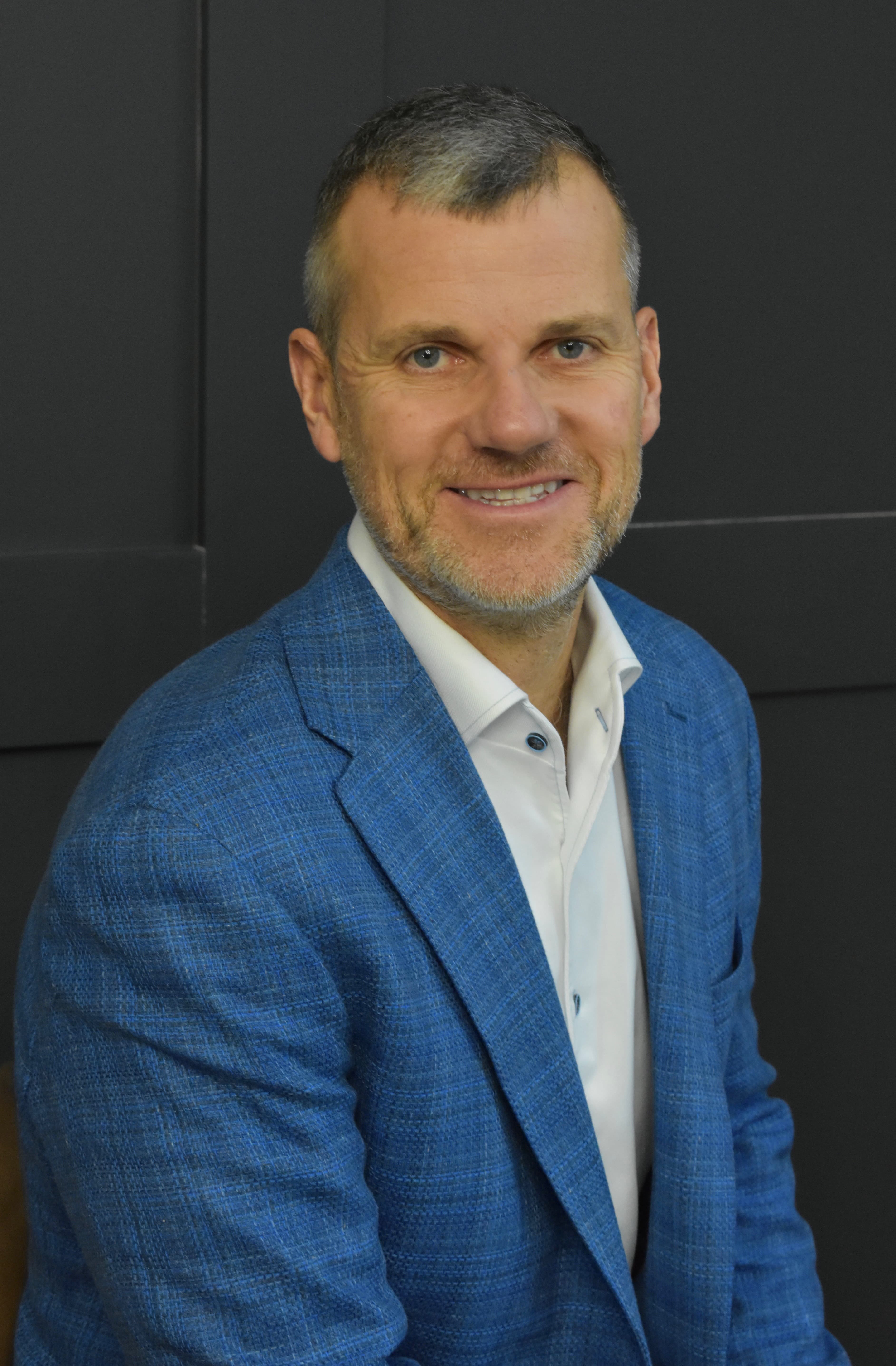
I have watched many people discover that contribution can become more important than compensation in retirement. After years of building a career, there can be something incredibly rewarding about using your experience to help someone else. That might mean serving your church, helping a community organization, mentoring someone younger, or simply being more available to your family. You may be surprised by how much purpose comes from knowing your time still matters.
Common Questions
There is no single retirement formula. These answers are a starting point for thinking more clearly about what fits your life.
Volunteering can provide contribution, relationships, structure, and a sense that your experience still matters. For many people, those are some of the same things they miss when full time work ends.
Start with a cause or community you genuinely care about, then consider the skills and experience you can offer. Try a limited commitment first so you can see whether the people, mission, and role are a good fit before making a larger commitment.
There is no right number of hours. Choose a commitment you can sustain without giving up the flexibility, relationships, health, or experiences that also matter in retirement.
From Ed's Writing
These essays explore the same questions from a broader next chapter perspective.
Ed looks at purpose as direction and contribution, not simply another goal to complete.
Explore this ideaComplimentary Audiobook
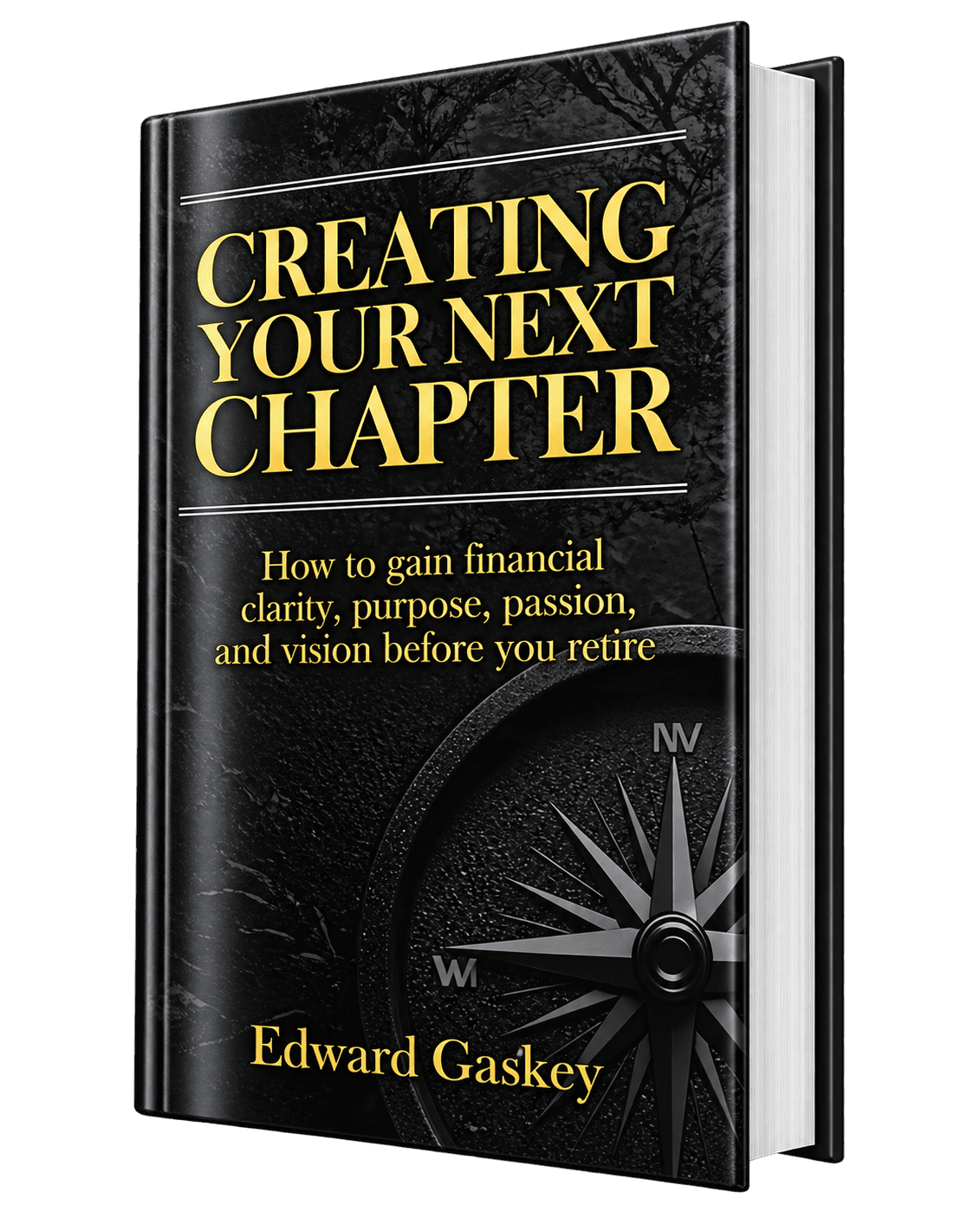
Ed's audiobook explores clarity, purpose, passion, vision, and how to think more intentionally about the life you want to build after work changes.
Your Next Step
A good volunteer role connects what you care about with a real need and gives you a sustainable way to contribute without rebuilding an overloaded calendar.