Start with people
Purpose often becomes clearer when you begin with the people who matter. Family, friendships, grandchildren, neighbors, faith communities, and people who rely on you can provide meaning that a job title never fully captured.
Life After Retirement
Retirement can remove a job title and a familiar routine, but it does not remove the need to feel useful, connected, engaged, and excited about what comes next.

Finding Purpose
That gap is where many of the biggest questions begin. Purpose after retirement is not about replacing forty hours of work with forty hours of activities. It is about understanding what gives your time meaning now and choosing to make more room for it.
Purpose often becomes clearer when you begin with the people who matter. Family, friendships, grandchildren, neighbors, faith communities, and people who rely on you can provide meaning that a job title never fully captured.
Decades of work build judgment, patience, skills, relationships, and perspective. Mentoring, volunteering, teaching, serving, caregiving, consulting, or simply being available can turn that experience into contribution.
Purpose is not limited to service. Travel, creative work, hobbies, learning, time outdoors, family traditions, and long postponed experiences can all belong in a life that feels intentional.
A full calendar is not the same as a meaningful life. Picture the next ten years and decide which relationships, experiences, responsibilities, interests, and contributions deserve a real place in them.
When someone asks what you do, you may have answered with the same profession or company for thirty or forty years. Then retirement comes and that familiar answer disappears. The loss can be more significant than people expect because work provided more than income. It often provided structure, relationships, challenge, responsibility, and a place where your experience mattered.
Purpose after retirement does not require replacing one job title with another. It starts by separating who you are from what you did for a living. The skills, judgment, faith, relationships, values, and life experience you built did not retire when you did.
If this part of the transition feels unfamiliar, the guide on adjusting to retirement looks more closely at the change in identity and routine that can happen when full time work ends.
I have seen people discover that they still want to contribute, but they no longer need contribution to look exactly like a career. It may be mentoring someone younger, helping at church, serving a local organization, caring for grandchildren, consulting a few hours a week, or simply becoming more available to people who matter.
That is why I like the question, what are you retiring to? It moves the conversation away from simply ending work and toward the life you are creating next. For some people that leads to volunteering after retirement. For others it leads to meaningful part time work, family, travel, learning, or something entirely new.
Purpose does not have to be impressive from the outside. It has to matter to you. When the answer becomes clearer, retirement can feel less like the end of something and more like a season with direction.
From Ed
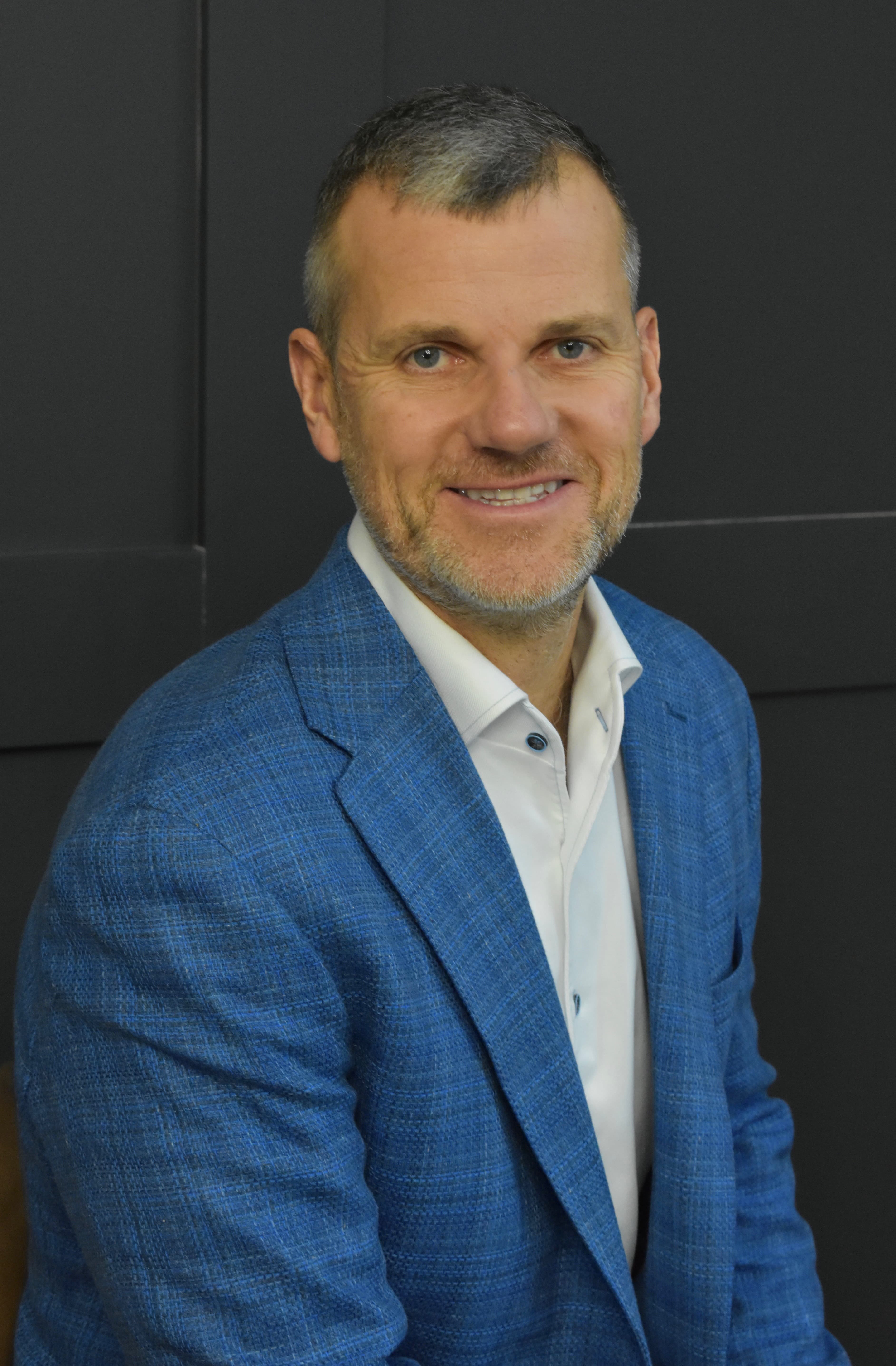
One of the biggest surprises I see in retirement is that people can have financial freedom and still feel like something is missing. For many of us, our work gave us structure, identity, and a reason to get up in the morning. Retirement gives you the opportunity to redefine that purpose. It may come through family, faith, mentoring, volunteering, a new project, or something you have wanted to pursue for years. What matters is finding something that makes this chapter meaningful.
Common Questions
There is no single retirement formula. These answers are a starting point for thinking more clearly about what fits your life.
Work often provides identity, relationships, goals, deadlines, and a sense of usefulness for decades. When those disappear at the same time, it can take a while to decide what will provide meaning in the new season.
Begin with what matters to you rather than trying to invent a grand mission. Look at the people you care about, the experience you can share, the interests that give you energy, and the needs you feel drawn to help meet.
Start by asking who or what could benefit from your time and experience. Family, mentoring, volunteering, caregiving, faith, community involvement, consulting, and creative work can all create a sense of contribution without requiring another full time job.
From Ed's Writing
These essays explore the same questions from a broader next chapter perspective.
Ed explores the difference between completing goals and building a life around what matters.
Explore this ideaComplimentary Audiobook
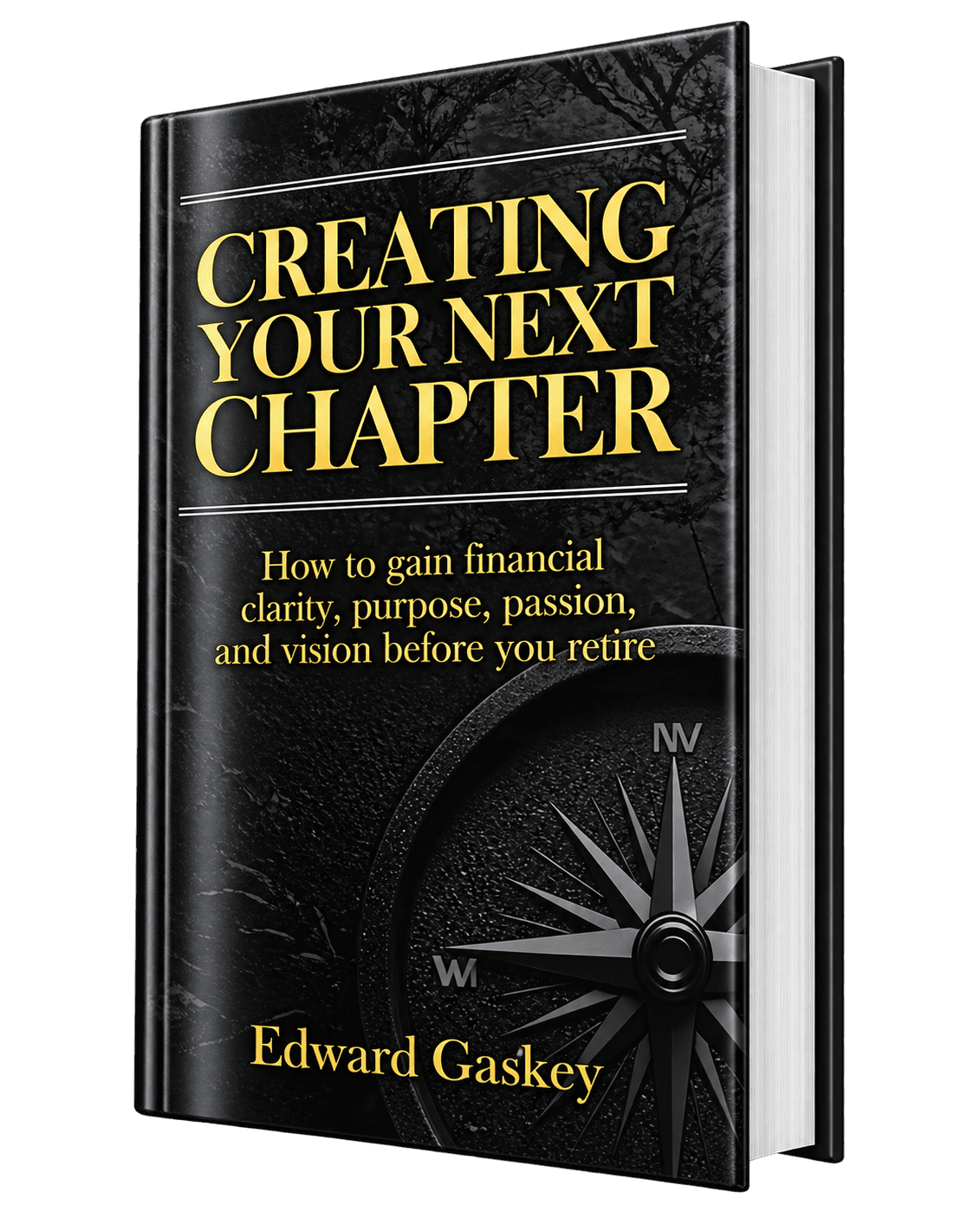
Ed's audiobook explores clarity, purpose, passion, vision, and how to think more intentionally about the life you want to build after work changes.
Your Next Step
Start with the people, experiences, interests, and contributions that matter most. A clearer next chapter can grow from there.