Picture the life before the calendar
Start with the big picture. Who do you want more time with? What do you want to experience? Where do you want to contribute? What interests, places, projects, or responsibilities should matter more now?
Life After Retirement
A retirement date can be precise while the life after it remains vague. Creating a retirement vision means giving the years ahead enough shape that you know what you are moving toward, not only what you are leaving behind.

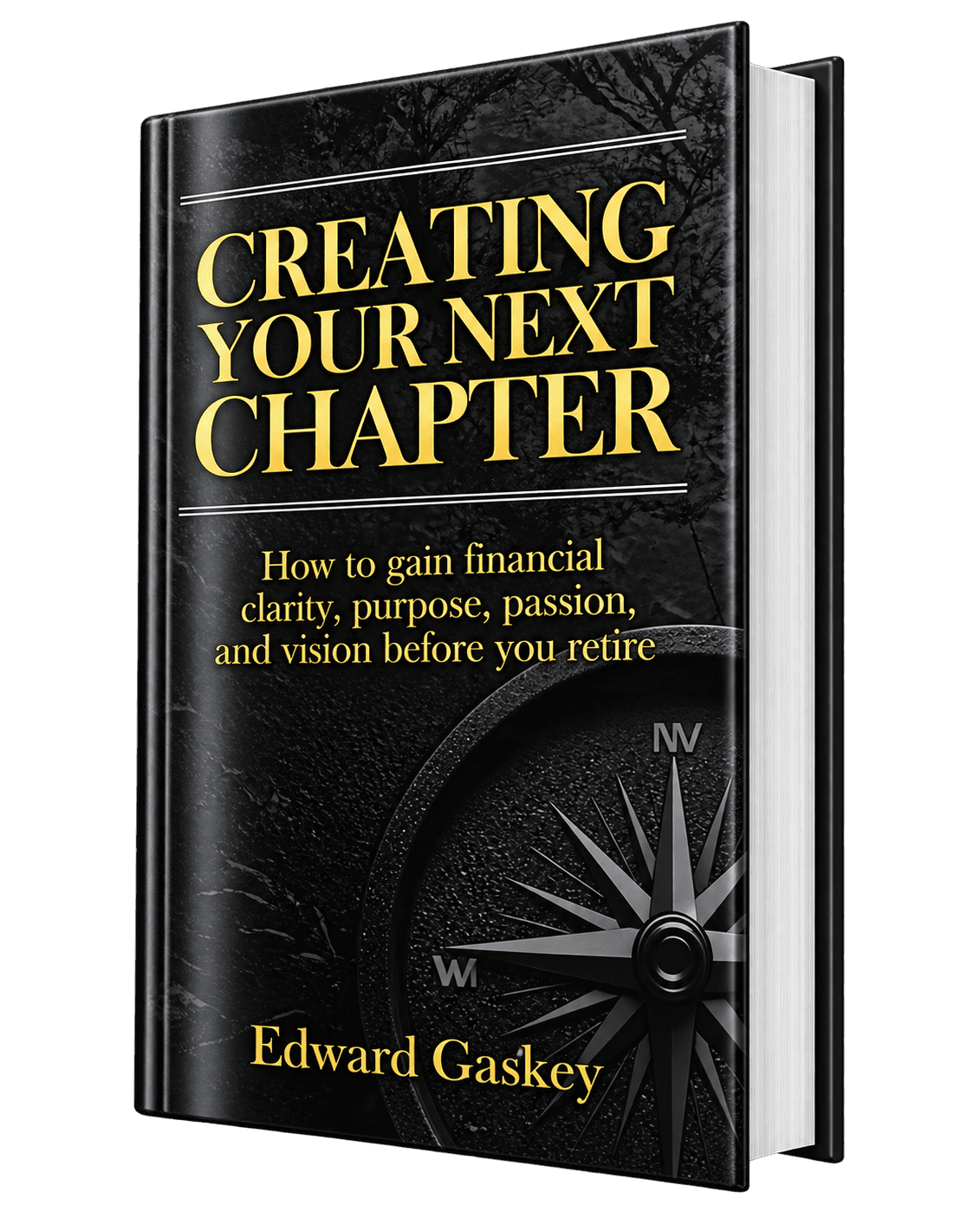

Your Retirement Vision
Think beyond the first vacation or the first year. The next chapter may stretch across decades. A useful vision includes the people you want close, the experiences you want to have, the ways you want to contribute, and the interests or goals you no longer want to postpone.
Start with the big picture. Who do you want more time with? What do you want to experience? Where do you want to contribute? What interests, places, projects, or responsibilities should matter more now?
The next thirty years do not have to look the same. Think about the next ten years, then the ten after that. Some experiences belong earlier, while other goals, relationships, and forms of contribution can grow over time.
A retirement vision should include more than travel or hobbies. Family, friendships, faith, health, meaningful work, service, learning, home, community, and legacy may all belong in the life you are trying to create.
You do not need to plan every year in detail. Choose one or two things that matter enough to begin now. A conversation, a trip, a class, a volunteer role, a project, or a new routine can turn a distant vision into a life already taking shape.
A retirement date can be circled on a calendar years in advance, but that date does not tell you what you want the next thirty years to look like. I believe that is one of the most important parts of the conversation. You are not only planning to stop doing something. You are planning to start living a different season of life.
Sit down and write out the experiences you want to have. Include the big things and the small things. Travel, family, faith, health, learning, service, hobbies, meaningful work, and time with people you love can all belong on the list. Do not worry about organizing it perfectly at first. The purpose is to make the future visible.
If you are still trying to identify what belongs on that list, the guide to finding purpose after retirement can help you think about the people, contribution, and interests that matter most.
Thirty years can feel too abstract, so I like breaking retirement into smaller seasons. Think about the next ten years, then the ten after that, then the years beyond. Some experiences may be better suited to your earlier retirement years. Other priorities may become more important later.
This is not about predicting your life. Nobody can do that. It is about recognizing that time matters. If there is something important you want to experience while you have the health, energy, or family circumstances to enjoy it, putting it into the vision can help keep it from becoming something you always meant to do.
Once the vision is clearer, your day to day choices after retirement have more context. The numbers, calendar, and individual decisions should support the life you are trying to build, not become the life itself.
From Ed
One of my favorite exercises is asking people to sit down and make a list of everything they want to experience during retirement. Do not start by asking what it costs. Start by asking what matters to you. Think about travel, family, hobbies, adventures, service, and the things you have always said you would do someday. Once you know what you want your next thirty years to look like, the planning has a purpose. The numbers should support the life you want to live, not become the life itself.
Common Questions
There is no single retirement formula. These answers are a starting point for thinking more clearly about what fits your life.
A retirement vision is a picture of how you want to live after full time work. It can include relationships, experiences, health, faith, contribution, travel, hobbies, meaningful work, learning, and the goals you want to pursue over time.
Think far enough ahead to see the bigger picture, then break it into shorter seasons. Looking at the next ten years, the ten after that, and later years can help you recognize which experiences and priorities may belong at different stages.
It should be allowed to change. A useful vision gives you direction, not a rigid script. Health, family, interests, and opportunities will change, so revisit the picture and adjust it as your life develops.
From Ed's Writing
These essays explore the same questions from a broader next chapter perspective.
Ed expands on vision as direction, not prediction, and how it can guide the choices that shape a next chapter.
Explore this ideaComplimentary Audiobook
Ed's audiobook explores clarity, purpose, passion, vision, and how to think more intentionally about the life you want to build after work changes.
Your Next Step
Picture the life, choose what matters most in this season, and take the first step while leaving room for the vision to grow with you.