Start with what you want more of
Before adding activities, identify what work often crowded out. That may be family, friendships, faith, travel, health, hobbies, learning, service, time outdoors, or simply more unhurried time.
Life After Retirement
More free time can be one of retirement's greatest gifts, but an open calendar does not automatically create a meaningful life. The better question is what you want that time to make possible.


What Comes Next
After decades of work, it can be tempting to replace one packed schedule with another. A more intentional approach is to build retirement around the people, experiences, interests, contributions, and routines that make the freedom worth having.
Before adding activities, identify what work often crowded out. That may be family, friendships, faith, travel, health, hobbies, learning, service, time outdoors, or simply more unhurried time.
Freedom can feel better with some rhythm. Choose a few recurring anchors such as exercise, family time, a hobby, volunteering, learning, or a regular social plan without scheduling every open hour.
Try the class, trip, volunteer role, consulting project, club, or new routine before deciding it has to become part of your permanent identity. Retirement gives you room to test what actually fits.
The strongest next chapters usually have more than activities. They have direction. Pick a relationship, experience, contribution, project, or personal goal that gives the next season a reason to feel exciting.
One of the biggest changes in retirement is that nobody is building the week for you anymore. For years, work may have decided when you got up, where you went, who you saw, and what needed to get done. When that disappears, the freedom can be wonderful. It can also leave you asking a very simple question: now what?
I do not think the answer is to fill every square on the calendar. The better place to start is with clarity. What did you keep saying you would do when you had more time? Who do you want to see more often? What experiences have been waiting? What kind of contribution would still make you feel useful? Those questions begin to turn free time into a life you actually want.
If you are newly retired, your first year of retirement can be a period of discovery. You can rest, try things, change your mind, and learn what gives you energy before you decide what deserves a permanent place in the week.
Leaving a career is a major milestone, but a retirement date is still only a date. The bigger question is what you want the years after that date to contain. That may include travel and hobbies, but it may also include grandchildren, faith, mentoring, service, meaningful work, learning, health, friendships, or a project you have wanted to pursue for years.
You do not need a thirty year calendar. You do need enough of a retirement vision to know what you are moving toward. Once that picture becomes clearer, the individual choices become easier. You are no longer asking how to stay busy. You are asking whether something belongs in the life you are trying to build.
From Ed
I’ve found that retirement becomes much more enjoyable when you stop thinking only about what you are leaving behind and start thinking about what you are moving toward. You have spent decades building a career, raising a family, and meeting responsibilities. Now you have an opportunity to decide what you actually want your days to look like. Give yourself permission to explore that before you worry about having every answer.
Common Questions
There is no single retirement formula. These answers are a starting point for thinking more clearly about what fits your life.
Give yourself time to decompress before making the next season another full schedule. Keep a few healthy routines, stay connected to people, and begin trying the interests or experiences you kept postponing while you were working.
There is no single answer. A good retirement week can include movement, family, friends, hobbies, volunteering, learning, projects, travel, part time work, and open time. The goal is not to fill every hour. It is to build a rhythm that feels like your own.
That is normal. Start with curiosity instead of commitment. Try something small, pay attention to what gives you energy, and use those experiences to build clarity. The goal is progress, not a perfect answer on day one.
From Ed's Writing
These essays explore the same questions from a broader next chapter perspective.
Before deciding what should fill the next chapter, get honest about the season you are in now.
Explore this ideaA broader look at creating direction without needing every future detail figured out.
Explore this ideaComplimentary Audiobook
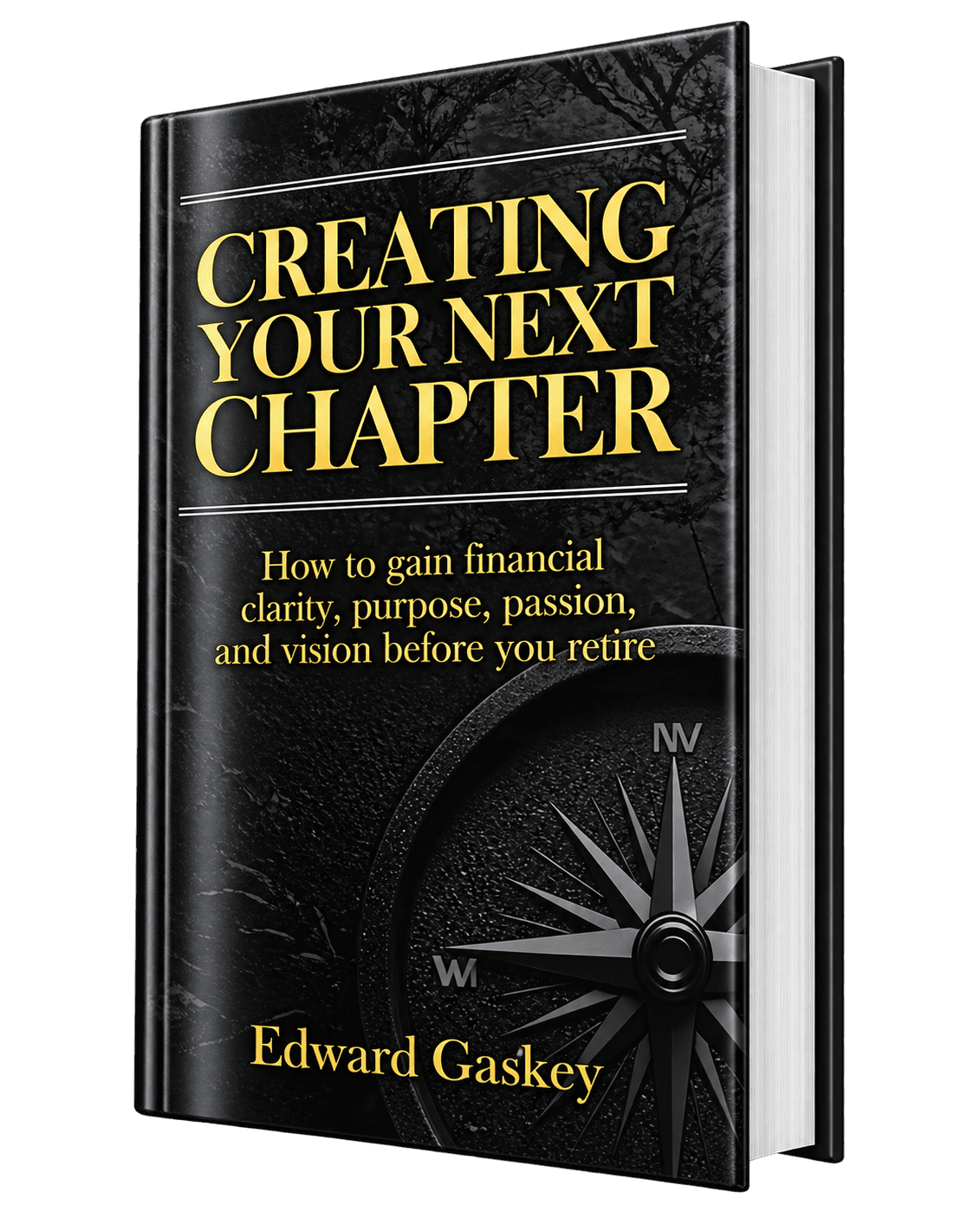
Ed's audiobook explores clarity, purpose, passion, vision, and how to think more intentionally about the life you want to build after work changes.
Your Next Step
Build enough structure to stay engaged, enough openness to explore, and enough clarity to keep moving toward the life you actually want.