Give yourself permission to decompress
You do not have to solve retirement in the first month. After decades of deadlines and responsibilities, some people need time to rest before they can clearly see what they want the new rhythm to become.
Life After Retirement
The first year of retirement can be exciting, restful, disorienting, freeing, or some combination of all four. You do not need to build the perfect routine immediately.


The First Year
A career can organize life for decades. When that structure disappears, it takes time to learn what freedom actually feels like and what you want to do with it. The first year can be less about having all the answers and more about paying attention to what gives the new season energy and meaning.
You do not have to solve retirement in the first month. After decades of deadlines and responsibilities, some people need time to rest before they can clearly see what they want the new rhythm to become.
The absence of meetings, commutes, coworkers, and Monday morning responsibilities can feel freeing and strange at the same time. That adjustment does not mean retirement is going badly. It means life changed.
Try the class, hobby, trip, volunteer role, consulting project, club, or routine without assuming it must become permanent. The first year can be a useful season for discovering what actually fits.
As the year develops, notice which people, activities, responsibilities, and experiences consistently make life better. Give those things structure while preserving enough open time to enjoy your new flexibility.
People spend years preparing for a retirement date, then sometimes expect themselves to have the next twenty or thirty years figured out immediately. I do not think that is realistic. You have just changed a routine that may have been part of your life for decades.
Give yourself room to decompress. Sleep later for a while if you want to. Take the trip. Finish the projects around the house. Spend time with family. The quiet period can help you separate what you truly want from the things you think a retired person is supposed to do.
If the transition feels more difficult than expected, read more about how to adjust to retirement. Feeling unsettled does not automatically mean something is wrong. It can simply mean the new rhythm is still forming.
Try things before you build your identity around them. Maybe you think you want to consult and discover you would rather volunteer. Maybe you imagined constant travel and realize you value being close to family more than expected. Maybe a hobby becomes much more important once you have the time to pursue it seriously.
The first year can teach you what gives you energy, what you miss from work, what you are relieved to leave behind, and how much structure feels right. Those lessons can shape a stronger retirement vision for the years ahead.
Retirement is not a one time decision. It is a life season that can keep changing. The first year is simply the beginning of learning how you want to live it.
From Ed
I would not put too much pressure on yourself during your first year of retirement. You have spent decades living according to schedules, responsibilities, and deadlines, so it may take some time to discover what this new freedom actually means for you. Take the trip. Spend time with your family. Rest if you need to. Try something new. Most importantly, pay attention to what you enjoy and what you miss. That first year can teach you a lot about the retirement you really want.
Common Questions
There is no single retirement formula. These answers are a starting point for thinking more clearly about what fits your life.
Expect some combination of relief, excitement, unfamiliarity, and adjustment. Your schedule, identity, relationships, and sense of productivity may all change. It can take time before the new routine feels natural.
There is no standard timeline. The first few months can feel like a vacation for some people and unfamiliar for others. Give yourself enough time to test routines, interests, and commitments before deciding what your retirement should look like long term.
Clarity is a good goal. Learn what you want more of, what you want less of, who you want to spend time with, and what kinds of experiences or contributions make the new season feel meaningful.
From Ed's Writing
These essays explore the same questions from a broader next chapter perspective.
A reminder that a strong next chapter starts with understanding the season you are actually in.
Explore this ideaUse what you learn in the first year to begin shaping a longer term direction.
Explore this ideaComplimentary Audiobook
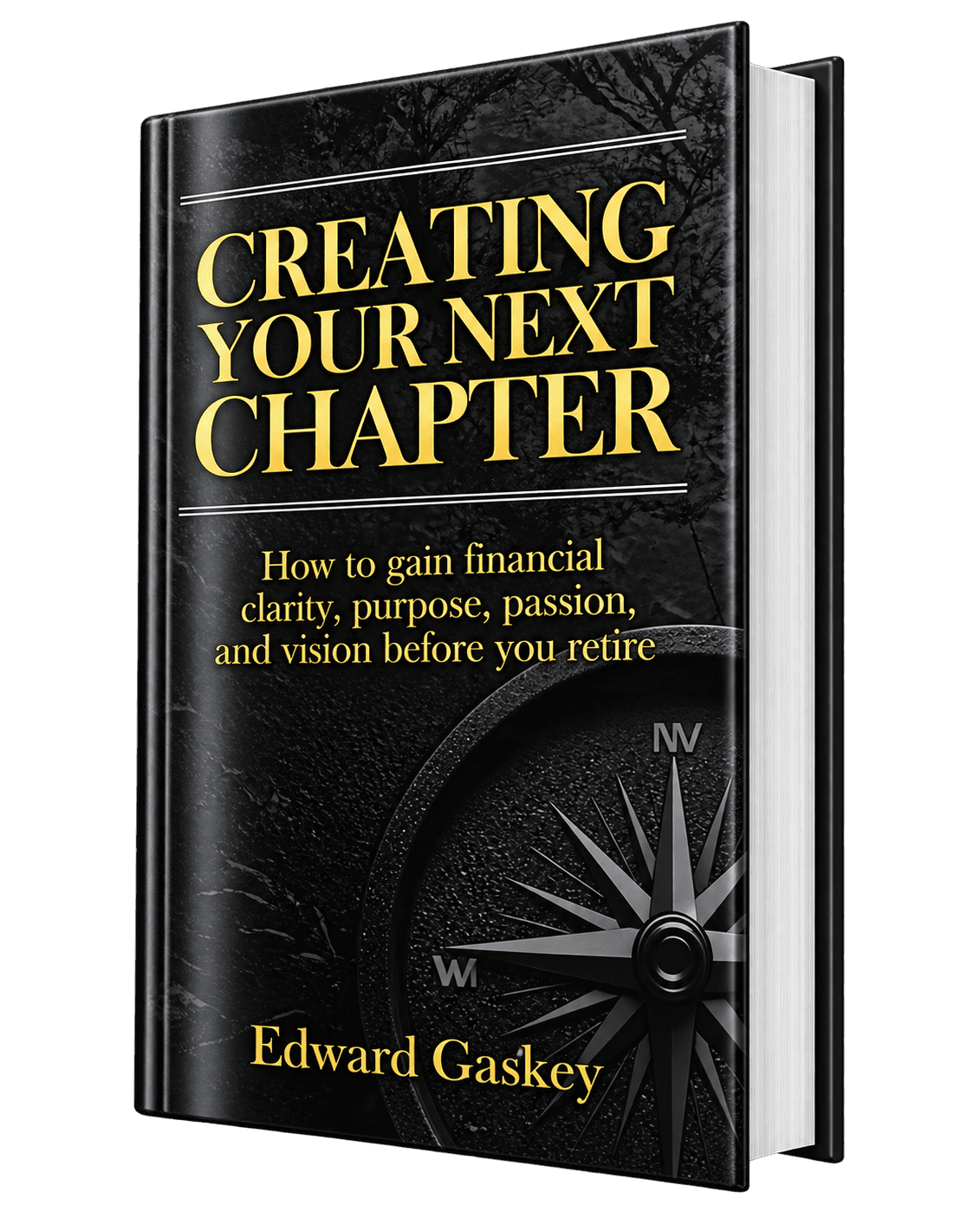
Ed's audiobook explores clarity, purpose, passion, vision, and how to think more intentionally about the life you want to build after work changes.
Your Next Step
Rest when you need to, experiment with what interests you, stay connected to people who matter, and let a clearer picture of the years ahead develop over time.