Unlock Your Free Copy

Life After Retirement

Who Am I After Retirement?

A career can become part of how you introduce yourself, organize your time, measure progress, and know where you belong. When that role ends, it can take time to separate the title you held from the person you still are.

Ed Gaskey, author of Creating Your Next Chapter
Ed GaskeyAuthor of Creating Your Next Chapter
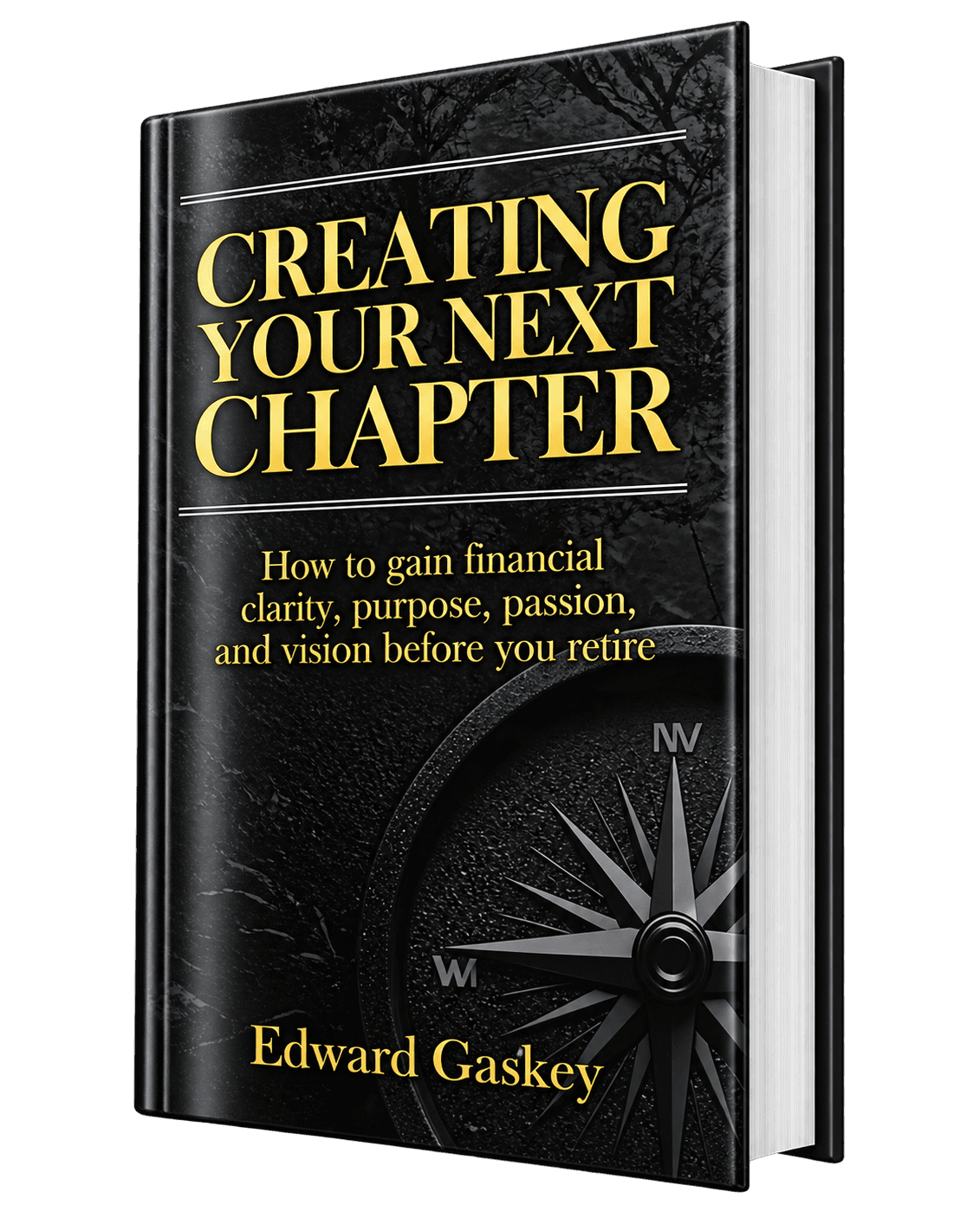
Creating Your Next Chapter by Ed Gaskey
Unlock Your Free Copy
Last updated
01

Identity After Work

Retirement can end a role without ending the strengths, relationships, and purpose that role helped you express.

If you feel lost after retirement, do not assume you made a mistake. Start by identifying what work was actually giving you, then decide which parts you still want in your life and which parts you are ready to leave behind.

01

Name what work was giving you

A career can provide much more than income. It can provide status, relationships, responsibility, challenge, recognition, routine, and a simple answer to the question, What do you do? Knowing what you miss helps you understand what needs a new place in your life.

02

Separate your title from your strengths

Retirement can end a role without erasing the judgment, patience, leadership, knowledge, creativity, or relationships you built through that role. Those strengths can show up in family, mentoring, service, projects, community, or completely new interests.

03

Give yourself permission to experiment

You do not need a new identity on your first Monday of retirement. Try things. Notice where you feel useful, curious, connected, or energized. A next chapter often becomes clearer through experience rather than one perfect answer.

04

Build more than one source of meaning

A career can become the center of identity because it touches so many parts of life at once. Retirement creates an opportunity to spread meaning across relationships, health, faith, contribution, interests, learning, work, and experiences instead of asking one role to carry everything.

Feeling lost after retirement does not always mean you miss the job itself.

You may miss being needed. You may miss coworkers, a reason to get dressed and go somewhere, the satisfaction of solving a problem, the recognition that came with your role, or the simple rhythm of knowing what Monday was for. Those are different losses, and they do not all require the same answer.

I think this is where it helps to slow the question down. Instead of asking, "Who am I now?" ask, "What did work give me that I still value?" Maybe the answer is challenge. Maybe it is people. Maybe it is leadership, contribution, competition, teaching, building, or being part of a team. Once you know that, you can find new ways to keep the part that mattered without keeping the entire job.

The guide to working after retirement can help if you are deciding whether consulting, part time work, mentoring, or another professional role belongs in the next chapter. If the bigger question is meaning rather than work, start with finding purpose after retirement.

Your next identity can be wider than your career identity ever was.

For thirty or forty years, a career can become a very efficient way to describe yourself. Retirement takes away that shortcut. It can feel uncomfortable, but it also creates room to notice the parts of you that were always there and the parts that never had enough time.

You can still be a leader without a title. You can still teach without a classroom. You can still solve problems without an office. You can be a spouse, parent, grandparent, friend, neighbor, mentor, volunteer, traveler, student, creator, caregiver, business owner, consultant, or something you have not tried yet.

Do not rush to replace one title with another. Let the next chapter become more complete. The goal is not to find a label that sounds impressive. It is to build a life that feels meaningful when nobody asks what you used to do for work.

From Ed

A personal perspective from Ed.

I have seen people who were completely ready to retire and still struggled with the question of who they were without the role they had carried for decades. I do not think the answer is to rush out and find a new title. Start by understanding what you valued about the old one. Keep the strengths, relationships, and sense of contribution that still matter. Then give yourself permission to build a wider life around them.

Common Questions

Questions about identity and feeling lost after retirement.

There is no single retirement formula. These answers are a starting point for thinking more clearly about what fits your life.

Why do I feel lost after retirement?

Work may have been providing structure, social contact, responsibility, recognition, and identity all at once. When several of those disappear together, retirement can feel disorienting even if you were ready to leave the job.

Can retirement cause a loss of identity?

It can create that feeling when a career has been a major part of how you described yourself and organized your life. The transition becomes easier to understand when you separate the job title from the strengths, relationships, and values that remain yours.

What if I miss being needed at work?

Ask where you would like to be useful now. Family, mentoring, volunteering, consulting, community involvement, caregiving, or a project can all create responsibility and contribution without rebuilding your old career by default.

How do I rebuild my identity after retiring?

Start by identifying the parts of work you valued, then test new roles that provide some of those same benefits. Give the process time. A stronger retirement identity often grows from several meaningful parts of life rather than one replacement title.

From Ed's Writing

These essays explore the same questions from a broader next chapter perspective.

Writing

Purpose Is More Than a Goal: Deciding What You Want Your Next Chapter to Mean

Ed looks at purpose as a direction for life, not simply another item to complete.

Explore this idea
Writing

What Still Lights You Up? Rediscovering Passion in a New Season of Life

A useful next step when you are trying to separate what you used to do from what still gives you energy now.

Explore this idea

Complimentary Audiobook

Go deeper with Creating Your Next Chapter.

Ed's audiobook explores clarity, purpose, passion, vision, and how to think more intentionally about the life you want to build after work changes.

Audiobook Access

Related Guides

Keep exploring life after retirement.

Each guide focuses on a different part of the transition so you can start with the question that matters most to you right now.

Life After Retirement

Finding Purpose After Retirement

Move from the question of who you were at work to what you want your time, experience, and relationships to mean now.

Read Finding Purpose After Retirement
Life After Retirement

How to Adjust to Retirement

Give the larger transition in routine, identity, relationships, and expectations enough time to develop.

Read How to Adjust to Retirement
Life After Retirement

Working After Retirement

Decide whether work still belongs in the next chapter because you want it there, not simply because the old role is hard to release.

Read Working After Retirement

Your Next Step

You are not starting over. You are deciding which parts of yourself deserve more room now.

Keep what still matters from your working years, release what no longer fits, and let the next chapter become broader than the title that came before it.