Unlock Your Free Copy

Life After Retirement

Working After Retirement: What Role Should Work Play Next?

Retirement does not require a hard stop. For some people, the best next chapter includes consulting, mentoring, part time work, a new venture, or contribution that has nothing to do with a paycheck.

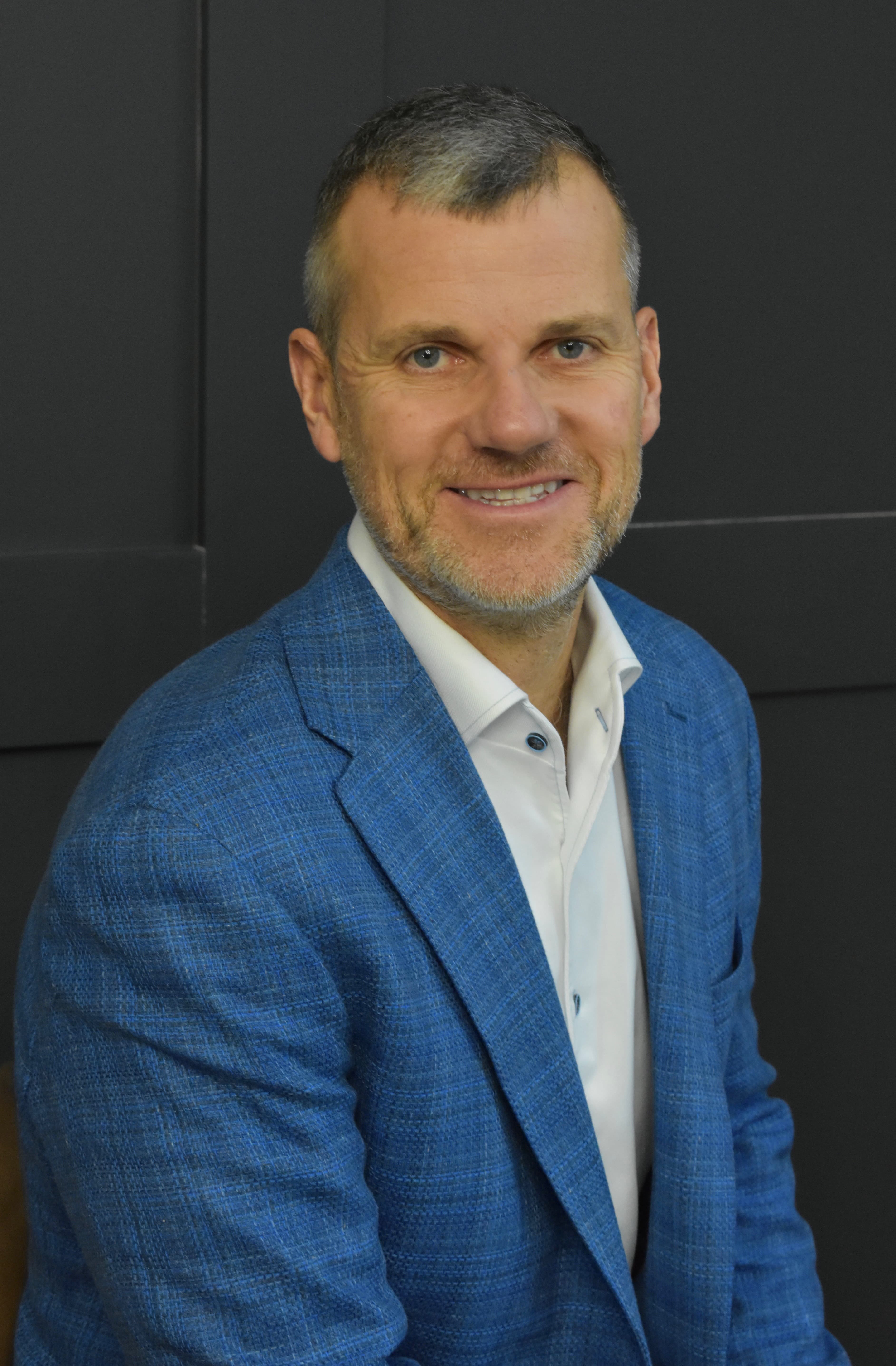
Ed Gaskey, author of Creating Your Next Chapter
Ed GaskeyAuthor of Creating Your Next Chapter
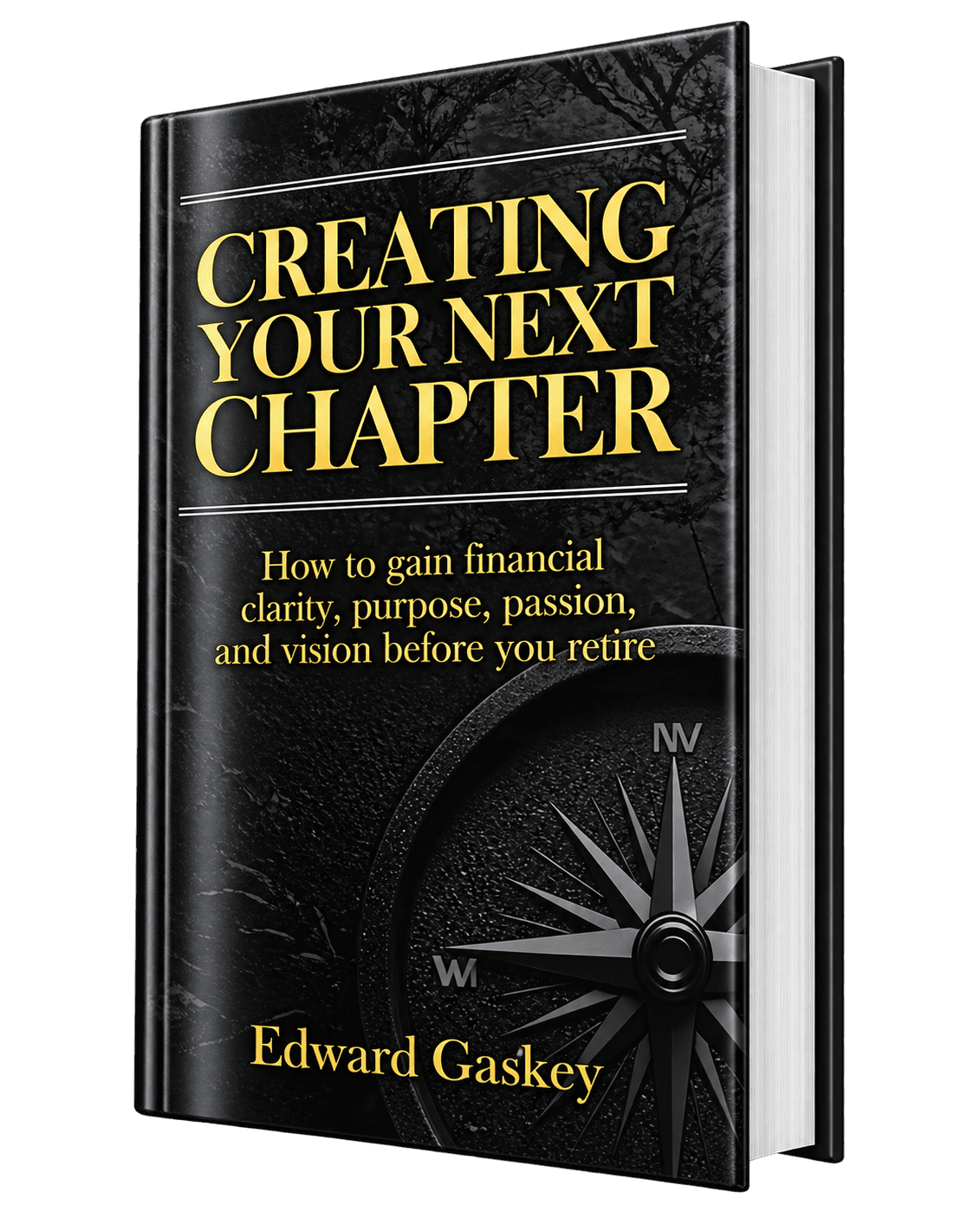
Creating Your Next Chapter by Ed Gaskey
Unlock Your Free Copy
Last updated
01

Work After Retirement

The question is not simply whether you should keep working. It is what role you want work to play.

After decades of structure, responsibility, and professional identity, completely stepping away can feel freeing for some people and unnatural for others. The right answer is personal. Work can remain part of retirement without remaining the center of life.

01

Separate want from need

The first question is whether you want to work or feel that you have to. Those are very different starting points. Clarity about your motivation makes it easier to decide what kind of work, if any, belongs in the next chapter.

02

Redefine what work can mean

Work after retirement does not have to look like the career you are leaving. Consulting, mentoring, part time roles, project work, entrepreneurship, teaching, and unpaid contribution can all provide structure and engagement.

03

Protect the freedom you wanted

A new role should not quietly rebuild the same schedule you were trying to leave. Think about how many hours you want to give, how much flexibility matters, and what responsibilities you are willing to carry.

04

Let purpose guide the decision

If work still gives you energy, connection, challenge, and meaning, there is no rule that says you must stop. If it no longer serves the life you want, retirement can create space for something entirely different.
The work question is often really a purpose question.

For some people, work has always been more than a paycheck. It is where they solve problems, contribute, stay connected, and use skills they spent decades building. A hard stop can feel unnatural. For others, retirement comes after years of pressure and they are ready to close the door completely. Both can be reasonable choices.

The important part is knowing why you are working. Are you continuing because the work still gives you energy? Are you looking for social connection or challenge? Do you want to use your experience without carrying the same level of responsibility? Or do you simply need more time before you know what comes next?

If compensation is not the main reason, volunteering after retirement or mentoring may provide many of the same benefits without rebuilding a full time career.

Think of the early retirement years as bridge years.

I like thinking about this period as a bridge because it does not have to be all or nothing. You can consult for a while, work part time, take six months off, start something new, volunteer, or decide that complete retirement fits you best. The point is to make the choice intentionally rather than assuming retirement has only one definition.

Your answer can also change. A role that feels right at sixty two may not be what you want at sixty seven. A good retirement vision gives you direction while still leaving room to adjust as your interests, health, family, and priorities change.

From Ed

A personal perspective from Ed.

I do not believe there is one right answer when it comes to working in retirement. Some people are ready to close the office door and never look back. Others discover that consulting, part-time work, or a new venture gives them purpose and keeps them engaged. The important question is whether you are working because you need to or because you want to. Once you understand that, you can make a much more intentional decision about what role work should have in your next chapter.

Common Questions

Questions about working after retirement.

There is no single retirement formula. These answers are a starting point for thinking more clearly about what fits your life.

Should I go back to work after retirement?

Maybe, but start with why. If you miss challenge, people, contribution, or the work itself, a flexible role may add something meaningful. If you are reacting mainly to an unfamiliar routine, give yourself enough time to understand what you actually miss before rebuilding a work schedule.

What kinds of work do retirees often consider?

Consulting, part time roles, project work, mentoring, teaching, entrepreneurship, seasonal work, and nonprofit involvement can all provide engagement with more flexibility than a traditional full time position.

How do I know if I am working because I want to or because I am afraid to stop?

Ask what you would choose if the financial question were already clear. If the work still gives you energy and meaning, that tells you something. If you are staying only because stopping feels unfamiliar, it may be worth giving yourself room to explore another rhythm.

From Ed's Writing

These essays explore the same questions from a broader next chapter perspective.

Writing

Purpose Is More Than a Goal: Deciding What You Want Your Next Chapter to Mean

A deeper look at the purpose underneath the roles and goals that organize a season of life.

Explore this idea
Writing

What Still Lights You Up? Rediscovering Passion in a New Season of Life

Explore whether continued work, a new venture, or something entirely different is what still gives you energy.

Explore this idea

Complimentary Audiobook

Go deeper with Creating Your Next Chapter.

Ed's audiobook explores clarity, purpose, passion, vision, and how to think more intentionally about the life you want to build after work changes.

Audiobook Access

Related Guides

Keep exploring life after retirement.

Each guide focuses on a different part of the transition so you can start with the question that matters most to you right now.

Life After Retirement

Who Am I After Retirement?

Understand whether you miss the work itself or the identity, relationships, responsibility, and recognition that came with it.

Read Who Am I After Retirement?

Your Next Step

Retirement can turn work from an obligation into a choice.

The goal is to decide intentionally whether work still adds meaning to your life and, if it does, what version of work fits the freedom you want next.